

Oxandrolone: Your Fast Track to Lean Muscle Gains Starts Now
A recovering burn patient, struggling to regain lost muscle mass against a backdrop of severe catabolism, turns to oxandrolone to shift the metabolic balance. This synthetic anabolic steroid, a derivative of dihydrotestosterone, works by binding to androgen receptors to directly stimulate protein synthesis and inhibit muscle breakdown. For those facing wasting conditions or prolonged recovery, its primary benefit is the ability to drive significant lean tissue gain with minimal androgenic side effects, making it a potent tool for targeted muscle preservation. Administered orally in daily doses under strict medical supervision, oxandrolone forces the body into a net positive nitrogen state, accelerating repair where conventional nutrition alone proves insufficient.
What Exactly Is Oxandrolone and How Is It Classified?
Oxandrolone is an anabolic-androgenic steroid (AAS) derived from dihydrotestosterone (DHT). It is classified as a Schedule III controlled substance in the US due to its potential for abuse. Structurally, it differs from testosterone by having an oxygen atom at the 2-position and a methyl group at the 17α-position, which allows it to be taken orally without liver destruction. Medically, it sits in the AAS category but is uniquely known for a mild anabolic-to-androgenic ratio—meaning it promotes muscle growth with relatively low androgenic side effects like virilization.
In practice, this makes oxandrolone a “clean” compound often favored for preserving lean mass during calorie restriction.
It is not classified as a prohormone or a selective androgen receptor modulator; it directly activates androgen receptors.

Understanding the Anabolic-Androgenic Ratio of This Compound
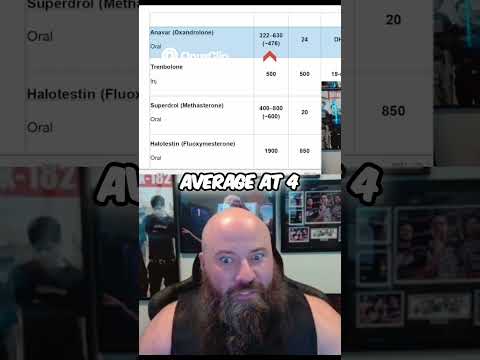
Understanding the anabolic-androgenic ratio of this compound is critical for evaluating its risk profile. Oxandrolone boasts an exceptionally high anabolic-to-androgenic ratio, typically cited between 322:24 and significantly more favorable than testosterone. This means the compound strongly promotes muscle protein synthesis and nitrogen retention—its anabolic effects—while producing minimal androgenic activity, such as hair loss or prostate stimulation. The androgenic side effects are thus substantially lower than with many other AAS, making oxandrolone a uniquely tissue-selective steroid for lean mass gains without harsh virilization.
How the Molecular Structure Differs from Other Oral Steroids
Oxandrolone’s molecular structure diverges from other oral steroids through a unique 17α-methylated lactone ring modification, where the traditional C-2 hydrogen is replaced with an oxygen atom, creating an oxandrolone core that resists hepatic metabolism while reducing androgenic binding. This structural alteration eliminates the 19-methyl group and introduces a second methyl at C-17, dramatically diminishing 5α-reductase interaction. Unlike testosterone derivatives, oxandrolone lacks the C-4 double bond, preventing aromatization entirely. The resultant 17α-alkylated oxazolidine ring grants exceptional oral bioavailability, yet its planar A-ring geometry reduces anabolic potency relative to nandrolone-based compounds, marking a deliberate design for minimized side-effect profiles.
Oxandrolone’s lactone ring and absent 19-methyl group structurally separate it from all other oral steroids, producing distinct hepatic stability and negligible estrogenic conversion.
How Does Oxandrolone Work Inside the Body?
Oxandrolone works by binding to androgen receptors in muscle and bone tissue, triggering protein synthesis and nitrogen retention. This creates a state where your body can build lean tissue without significant water retention. It directly promotes muscle growth by encouraging cells to hold onto nitrogen, a key component of amino acids. Unlike heavier steroids, oxandrolone has a unique ability to boost red blood cell production, improving oxygen delivery to muscles during recovery. It also inhibits glucocorticoid activity, which means it can block stress hormones that would otherwise break down muscle tissue. This anti-catabolic effect is particularly useful when you’re in a calorie deficit and trying to hold onto strength. The result is a gradual, dry increase in muscle density rather than bulk.
Mechanism of Action on Protein Synthesis and Nitrogen Retention
Oxandrolone exerts its mechanism of action on protein synthesis by binding directly to the androgen receptor, forming a complex that translocates to the cell nucleus. This complex then initiates transcription of genes that code for structural proteins, directly accelerating the ribosomal production of contractile and enzymatic proteins within muscle tissue. Concurrently, oxandrolone promotes positive nitrogen retention by reducing the rate of hepatic urea production and glutamine synthetase activity. This action decreases the urinary excretion of nitrogen, shifting the overall bodily nitrogen balance from a catabolic to an anabolic state. By preserving nitrogenous compounds for anabolic pathways rather than waste excretion, the steroid creates the intracellular substrate pool necessary for sustained protein accretion.
Impact on Muscle Growth Without Excessive Water Retention
Oxandrolone uniquely promotes lean tissue accrual by amplifying protein synthesis without triggering the estrogenic pathways that cause subcutaneous fluid retention. This creates a dry, dense muscularity, as nitrogen retention is directed solely toward contractile tissue rather than interstitial spaces. Users often report visible striations and vascularity during a cycle, precisely because intracellular water is minimized while myofibrillar protein accumulates. The absence of bloating allows for authentic strength gains that translate directly to performance metrics. Impact on muscle growth without excessive water retention is defined by a harder, more defined physique that does not vanish with diuresis.
Oxandrolone builds functional, striated muscle by fostering anabolic conditions while inhibiting water-logging, yielding a lean, full-fiber appearance rather than a smooth, puffy look.
Key Benefits You Can Expect from Using This Agent
Using this agent with oxandrolone delivers enhanced lean muscle preservation during caloric deficits, making fat loss more efficient without sacrificing hard-earned tissue. You can expect accelerated recovery between training sessions, allowing for higher frequency and intensity. A key benefit is improved vascularity and a harder, drier look due to minimal water retention. You can maintain performance gains with significantly reduced androgenic side effects compared to harsh alternatives, creating a safer, more manageable cycle. This translates to consistent strength progress and a more defined physique without overwhelming your system.
Preserving Lean Tissue During Caloric Deficits
Oxandrolone is specifically valued for its ability to preserve lean tissue during a caloric deficit by reducing skeletal muscle catabolism. Unlike many anabolic agents, it binds strongly to the androgen receptor in muscle without significant androgenic side effects, allowing nitrogen retention to remain elevated even when energy intake is low. This mechanism helps maintain contractile protein synthesis, preventing the typical muscle loss seen during aggressive fat-loss phases. The result is a more favorable body composition shift, where fat is preferentially oxidized while lean mass retention is maximized.
- Promotes positive nitrogen balance, directly counteracting muscle breakdown caused by low-calorie diets.
- Enhances protein synthesis efficiency, allowing you to preserve strength while losing fat.
- Supports glycogen storage in muscle tissue, reducing the catabolic stress of prolonged deficits.
Enhancing Strength Output Without Bulkiness
Oxandrolone is prized for its ability to significantly boost functional strength without promoting bulky muscle growth. Users typically report rapid increases in lifting capacity and power output, even on a modest calorie intake. This effect stems from its high anabolic-to-androgenic ratio, which drives protein synthesis for lean tissue performance rather than water-logged mass. The strength gains are dry and vascular, directly translating to improved performance in strength-based metrics without the joint strain or reduced mobility often linked to heavy mass. This makes it ideal for athletes needing a performance edge in weight-class sports or aesthetic goals requiring a lean, powerful physique.
Oxandrolone consistently enhances raw strength output without the unwanted bulk, preserving a lean, athletic build and joint-friendly performance.
Improving Recovery Between Training Sessions
Oxandrolone facilitates improved recovery between training sessions primarily by enhancing nitrogen retention and protein synthesis within muscle tissue, reducing the catabolic state induced by intense exercise. This accelerates the repair of microtears, allowing for faster subsequent session readiness. Users often report diminished residual soreness and a more rapid return to baseline strength levels, enabling higher training frequency without systemic fatigue accumulation. The compound’s low androgenic activity minimizes cortisol interference, further supporting efficient glycogen replenishment and tissue regeneration.
Oxandrolone speeds recovery by boosting protein synthesis and reducing catabolic damage, enabling more frequent, high-quality training sessions.
Practical Usage Guidelines for Maximum Results
For maximum results, oxandrolone must be used with a disciplined rhythm, typically cycled for six to eight weeks at 20 to 40 milligrams daily to preserve lean tissue while minimizing liver strain. I learned to split doses morning and evening, as its short half-life demands stable blood levels for consistent fat loss and hardness without the bloat of other compounds. The real secret, however, lies in calibrating caloric intake around training days—higher carbs on lift days to fuel performance, lower on rest days to amplify nutrient partitioning. Without this precision, the drug only dampens catabolism; with it, muscle retention during a cut becomes dramatic, as every gram of protein gets shunted toward repair rather than storage. I always run full blood work midpoint to catch any HDL suppression early, keeping the cycle practical and sustainable.
Typical Dosage Ranges for Male and Female Users

For oxandrolone dosing, male users typically start at 50–80 mg daily, with experienced users pushing to a maximum of 100 mg. Female users respond to much lower amounts, with typical ranges starting at 5–10 mg daily and rarely exceeding 20 mg to minimize virilization risks. A comparison clarifies the stark difference:
| User | Starting Dose | Upper Limit |
|---|---|---|
| Male | 50–80 mg/day | 100 mg/day |
| Female | 5–10 mg/day | 20 mg/day |
Duration rarely exceeds 6–8 weeks for either sex, with doses split into two equal administrations to maintain stable blood levels.
Cycle Length Recommendations to Minimize Strain
To minimize hepatic and lipid strain, oxandrolone cycles should be capped at **6 to 8 weeks total duration**. Extending beyond eight weeks amplifies HDL suppression and liver enzyme elevation without proportional gains. A standard 8-week run allows for meaningful anabolic effect while keeping toxicity windows narrow. For first-time users, a shorter 6-week cycle anavar is recommended to assess individual tolerance before any extension. Heavy responders can push to the 8-week limit, but never exceed it to safeguard recovery.
Cycle length flat at 6–8 weeks, never longer, protects liver and cholesterol while preserving results.

Best Practices for Stacking with Other Compounds
When stacking oxandrolone, start with a low dose of a mild base like injectable testosterone to maintain hormonal balance, then add oxandrolone at 20-30mg daily. Avoid combining it with other hepatotoxic orals; instead, pair it with non-methylated options like primobolan for lean gains. Keep cycles to 8-10 weeks maximum to protect your liver and lipids. Stacking with nandrolone can cause joint relief but monitor for libido drops. Always taper off supportive compounds first before reducing testosterone, and run bloodwork mid-cycle to adjust doses.
What Side Effects Should You Watch For and How to Manage Them
When using oxandrolone, watch for liver strain, as it’s processed through the liver; manage this by avoiding alcohol and other hepatotoxic substances, and get periodic liver function tests. You should also monitor for negative changes in cholesterol, typically a drop in HDL; managing this involves a heart-healthy diet low in saturated fats and regular cardiovascular exercise. For joint pain or Virilization signs (like voice deepening or clitoral enlargement), reduce the dose immediately and consult a healthcare provider. To mitigate fluid retention, keep your sodium intake low and stay hydrated. Stop use and seek medical help if you experience jaundice (yellowing skin or eyes) or severe abdominal pain.
Common Hepatic Stress Indicators and Prevention Tips
Early warnings of hepatic stress include subtle jaundice in the eyes, dark urine, or persistent fatigue beyond normal training soreness. Elevations in liver enzymes, like ALT and AST, signal the organ is struggling under oxandrolone’s 17-alpha-alkylated structure. To counter this, prioritize aggressive hydration and TUDCA supplementation daily, as these directly support bile flow and cell repair. Avoid all alcohol and reduce high-fat, processed foods. Keeping cycles to 6–8 weeks with strict dosing minimizes cumulative damage, while split dosing rather than a single bolus may ease the hepatic burden.
Strategies for Safely Coming Off and Restoring Natural Production
To safely come off oxandrolone, you should taper the dose gradually over two weeks rather than stopping abruptly. This minimizes shock to your system. After discontinuation, restoring natural production involves using a post-cycle therapy protocol, typically including selective estrogen receptor modulators like clomiphene or tamoxifen for four to six weeks. These help stimulate the HPTA axis to restart endogenous testosterone. Adequate sleep and nutrient-dense caloric support are critical during this recovery phase. Always consult a medical professional to tailor the taper and PCT timing to your specific cycle length and response.
Gradual tapering, targeted post-cycle therapy, and proper nutrition are the core strategies for safely coming off oxandrolone and restoring natural production.